Personal alarms vs regular check-in calls for senior safety
Comparing two approaches to staying safe at home
When an older family member lives alone, the question of how to keep them safe often comes up. Two common solutions are personal alarms and regular check-in phone calls. Each has its own strengths, and the right choice depends on the person's lifestyle, health, and preferences. This article compares the two options so you can decide which one fits best.
How regular check-in calls work
A check-in call is exactly what it sounds like: a family member, friend, or volunteer phones the senior at a set time each day. The call confirms that they are awake, mobile, and able to speak. If no one answers, the caller can alert someone nearby or call emergency services. The system is simple, low-cost, and requires no special equipment. Many families already do this informally and find it reassuring.
However, check-in calls have limits. They only work at the scheduled time. If a fall happens an hour after the call, no one knows until the next check. The senior must also be able to reach the phone and respond. For someone with mobility issues or hearing loss, this can be difficult. And over time, the responsibility can wear on the person making the calls, especially if they live far away or have their own busy schedule.
Personal alarms: what they offer
A personal alarm is a wearable device that lets the user call for help at the push of a button. Many models also detect falls automatically and send an alert even if the person cannot press the button. The device uses GPS location to tell responders exactly where the user is, both indoors and outside. Two-way voice communication lets the emergency team talk to the user through the device, assess the situation, and send the right help. This combination means help can arrive within minutes, not hours.
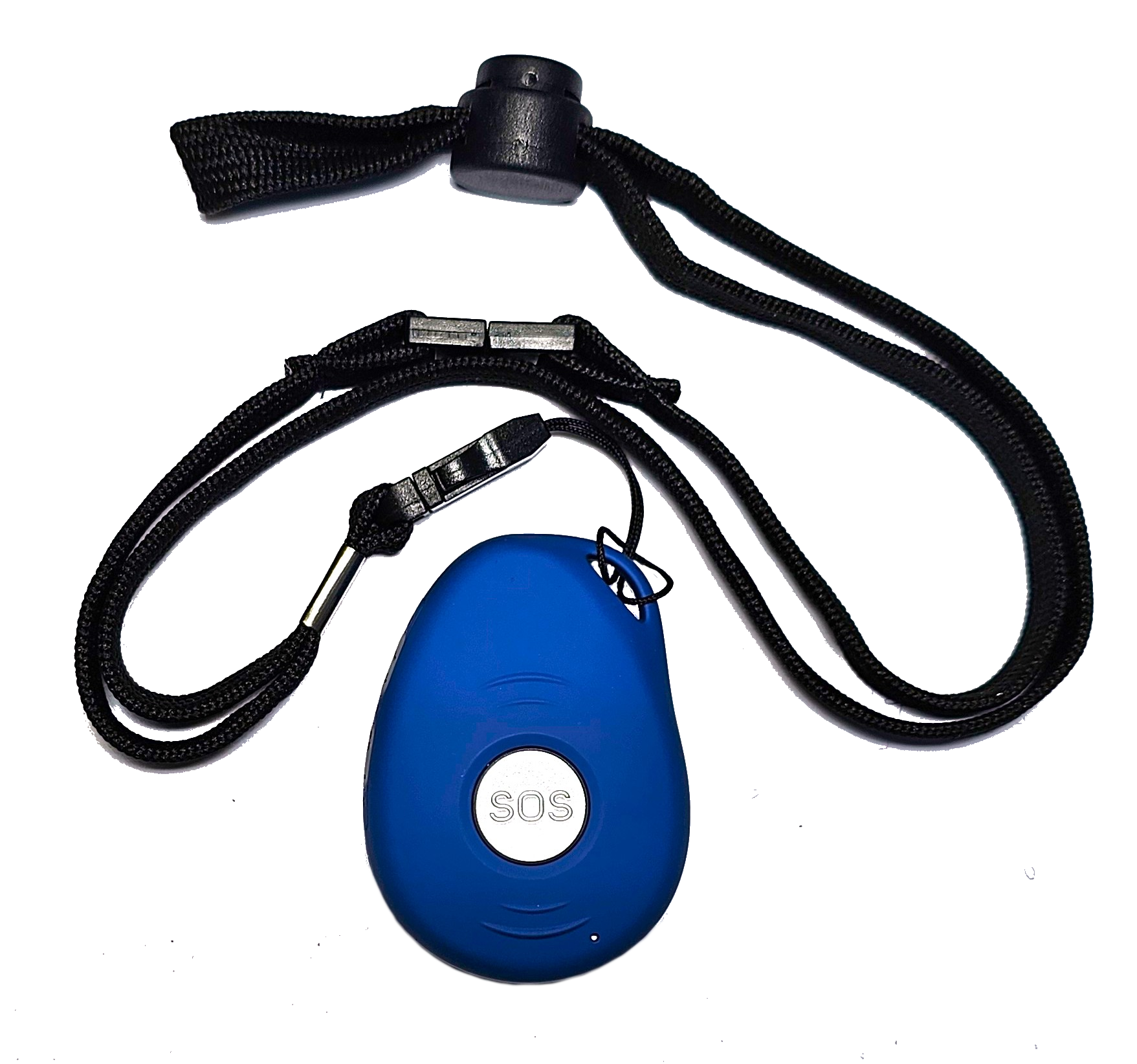
For seniors who are active and go out alone, GPS location and automatic fall detection add a layer of safety that a phone call cannot provide. The device works in the garden, at the shops, or on a walk. The user does not need to remember a schedule or wait for a call. They can live their day freely, knowing help is only a button press away.
Comparing the two approaches
Let us look at the main factors a family considers when choosing between these options.
Speed of response
Check-in calls are slow by design. If a senior falls at 10 am and the next call is at 6 pm, they could lie on the floor for hours. A personal alarm sends an alert the moment the button is pressed or a fall is detected. For serious injuries, every minute matters.
Independence and daily life
Check-in calls require the senior to be near a phone at a specific time. This can interrupt their routine or make them feel watched. A personal alarm is worn on the body and does not change the person's day. They can go about their normal activities without having to plan around a call. For someone who values independence, this is a real benefit.

Reliability and coverage
Check-in calls depend on the phone line working and the senior being able to answer. If they are in the garden or the garage, they might not hear the ring. If the power goes out, the phone may not work. A personal alarm with cellular connectivity and GPS works nearly anywhere, as long as there is mobile coverage. The device has its own battery and does not rely on home electricity or a landline.
Cost and monthly fees
Check-in calls are essentially free if a family member makes them. But they cost time and emotional energy. Some paid monitoring services charge a monthly fee for scheduled calls. Personal alarms often have an upfront cost for the device, and many have ongoing monthly subscription fees for the monitoring service. However, there are options like those offered by familyr.co.nz that have no monthly fees, making them a one-time purchase. It is worth comparing total cost over a few years, not just the sticker price.
Ease of use
Check-in calls are straightforward: just answer the phone. But the person calling must remember to do it every day, and the senior must remember to stay near the phone. A personal alarm requires wearing the device and remembering to press the button if needed. Some seniors find the device uncomfortable or forget to wear it. Battery life varies by model, so the user must charge or replace batteries regularly. The best device is one the person will actually use consistently.
When each option suits best
Regular check-in calls work well when:
- The senior is generally healthy, mobile, and rarely alone for long periods.
- They have a reliable phone and can answer calls easily.
- A family member or friend lives nearby and can respond quickly if there is no answer.
- The cost of a personal alarm feels unnecessary for the current level of risk.
A personal alarm is a better fit when:
- The senior lives alone or is alone for many hours each day.
- They have a history of falls or balance problems.
- They go out alone and want GPS location for safety.
- Automatic fall detection gives peace of mind if they cannot press the button.
- The family lives far away and cannot respond in person quickly.
Making the decision
There is no one-size-fits-all answer. Some families combine both approaches: they use a personal alarm for emergencies and a daily check-in call for reassurance and social contact. Others find that the alarm alone gives them enough confidence to let the senior live independently without constant phone calls. The key is to talk openly with the senior about what they feel comfortable with and what they would actually use. A device that sits in a drawer is no help at all, while a simple phone routine that someone follows every day can be very effective.

When comparing options, look at battery life, range, fall detection reliability, and whether the device works outside the home. For those who want a wearable device with automatic fall detection, GPS, and two-way voice without ongoing fees, familyr.co.nz offers a model worth considering. But the most important factor is choosing a solution the senior will trust and use consistently.
Ultimately, the goal is the same: to keep the person safe while respecting their independence. Whether that comes from a scheduled phone call or a device on their wrist, the right choice is the one that works for them.